Culinary Art & Capital
Cooking in Cleveland often means choosing between what sells and what matters. This piece explores that tension—the quiet cost of thoughtful craft in a market that favors the familiar.
I’ve noticed a pattern among Cleveland chefs: over time, their menus simplify—not because they’ve run out of ideas, but because they’ve run out of energy to fight. The market here tends to reward familiarity over exploration. Dishes that are culturally traditional but less common in Cleveland, or that push creative boundaries, don’t always get the love they deserve. They might debut with excitement, maybe even a bit of buzz, but then they quietly disappear. Trimmed away. Replaced with safer bets. Burgers. Loaded fries. Tater tots. You know—grade school cafeteria food.
And I get it. People want what they know or what they used to know before everything was awful. In a city where most restaurants are fighting to keep the lights on, it makes sense to lean on comfort food and name recognition. But from where I’m standing—someone who’s cooked long enough to lose count of how many variations of a taco I’ve sent out—it’s heartbreaking.
As a chef, I’m always walking that thin line between what sells and what matters to me. Some dishes on my menu aren’t best-sellers, and probably never will be. But I love them. I love how they taste, how they’re plated, what they represent. They tell a story—about my past, my values, how I see food—and I keep them around because I believe that story deserves to be told.
Other items? The crowd-pleasers, the weekly specials that fly out the door. I don’t even eat them. They’re not for me—they’re for Cleveland. And that’s the trade-off. I have to find a way to honor my own palate while staying in business. It’s a tightrope walk—financially, sure, but also creatively. Because if I lose the spark that makes me want to get up and cook in the first place, if I start cooking only for the market, then what’s the point?
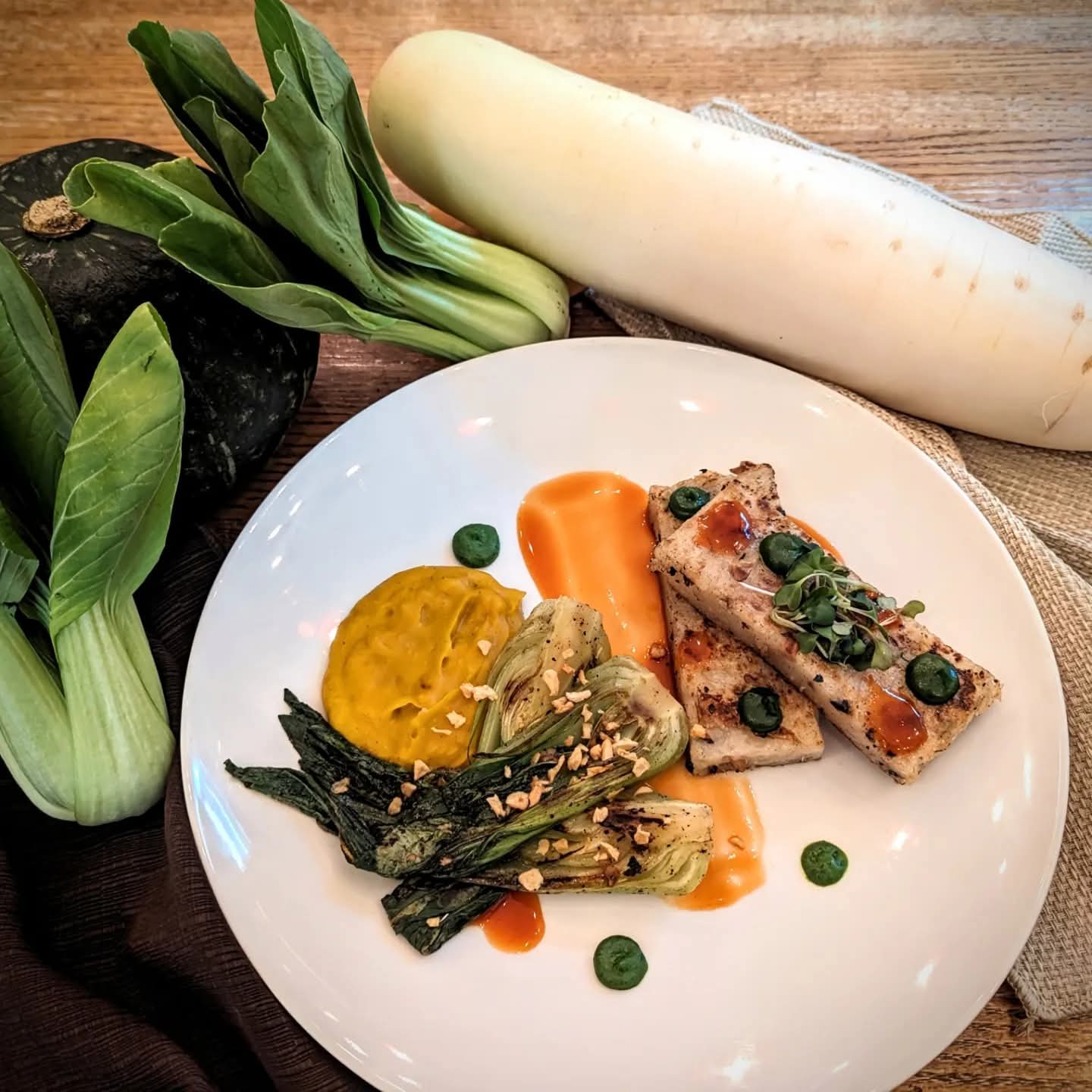
I’ve had dishes flop. Specials I was proud of that landed with a thud. Case in point: the Daikon Cake. I loved it. My crew loved it. We offered it twice, and it bombed both times. But I couldn’t shake the feeling that it belonged. So I put it on the menu. Is it a best-seller now? No. But it has a loyal following—regulars who light up when they see it, who order it like it’s a secret treat made just for them. That connection is worth more to me than a line item on a spreadsheet.
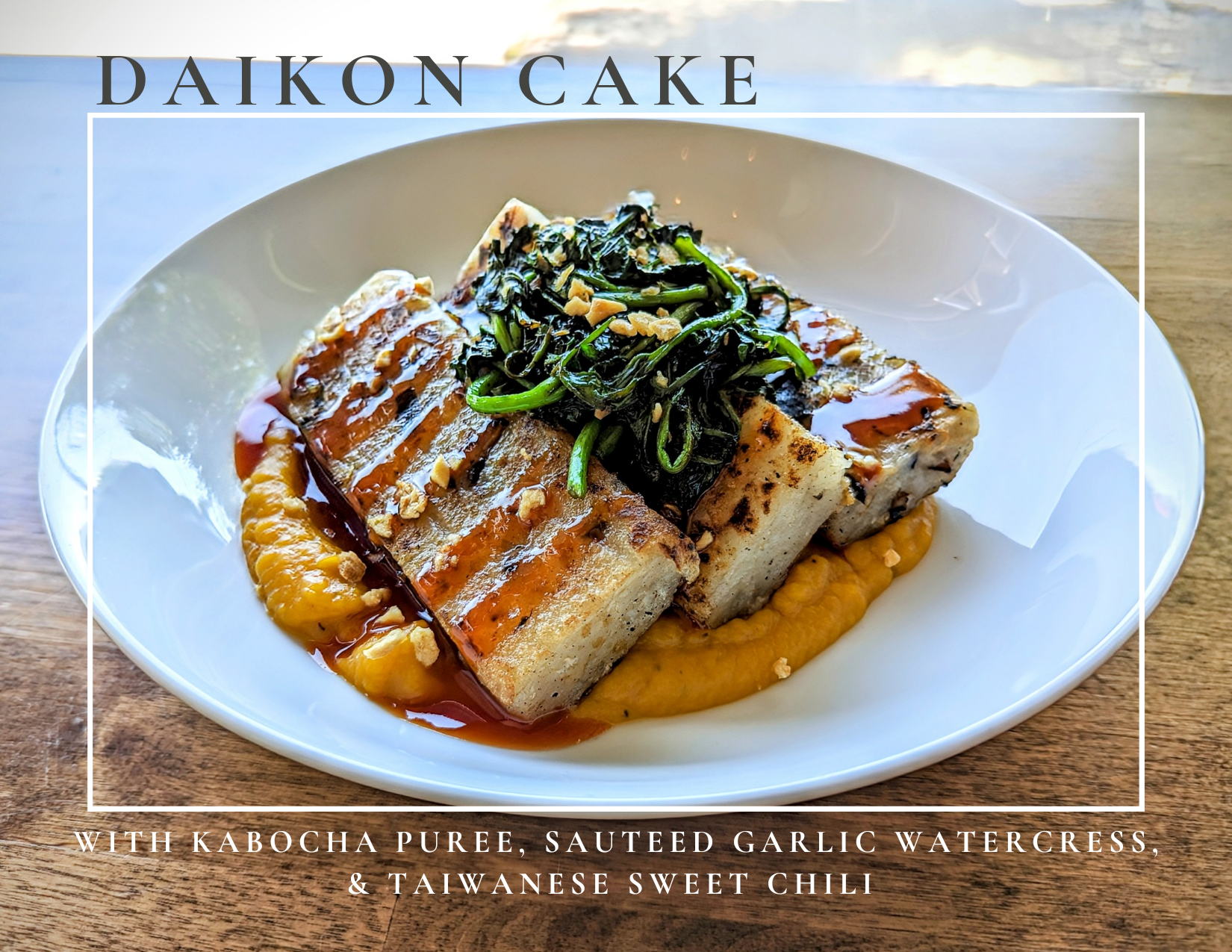
Right now, I’ve got three dishes on the menu that fit that story arc. Quiet little misfits that don’t pull their weight in volume, but carry meaning like anchors.
And it’s not just the menu. Specials follow a similar trajectory. A couple weeks ago, I ran a five-spice stewed mushroom sandwich with bok choy fennel slaw and serrano-cilantro sauce. I loved that sandwich. It didn’t sell like crazy, but it came together through weeks of tinkering between boxes on my endless to-do list. I had too many mushroom ends, green onion butts, and happened upon some beautiful serranos. The sandwich was a product of both necessity and inspiration—and that made serving and eating it all the more rewarding.
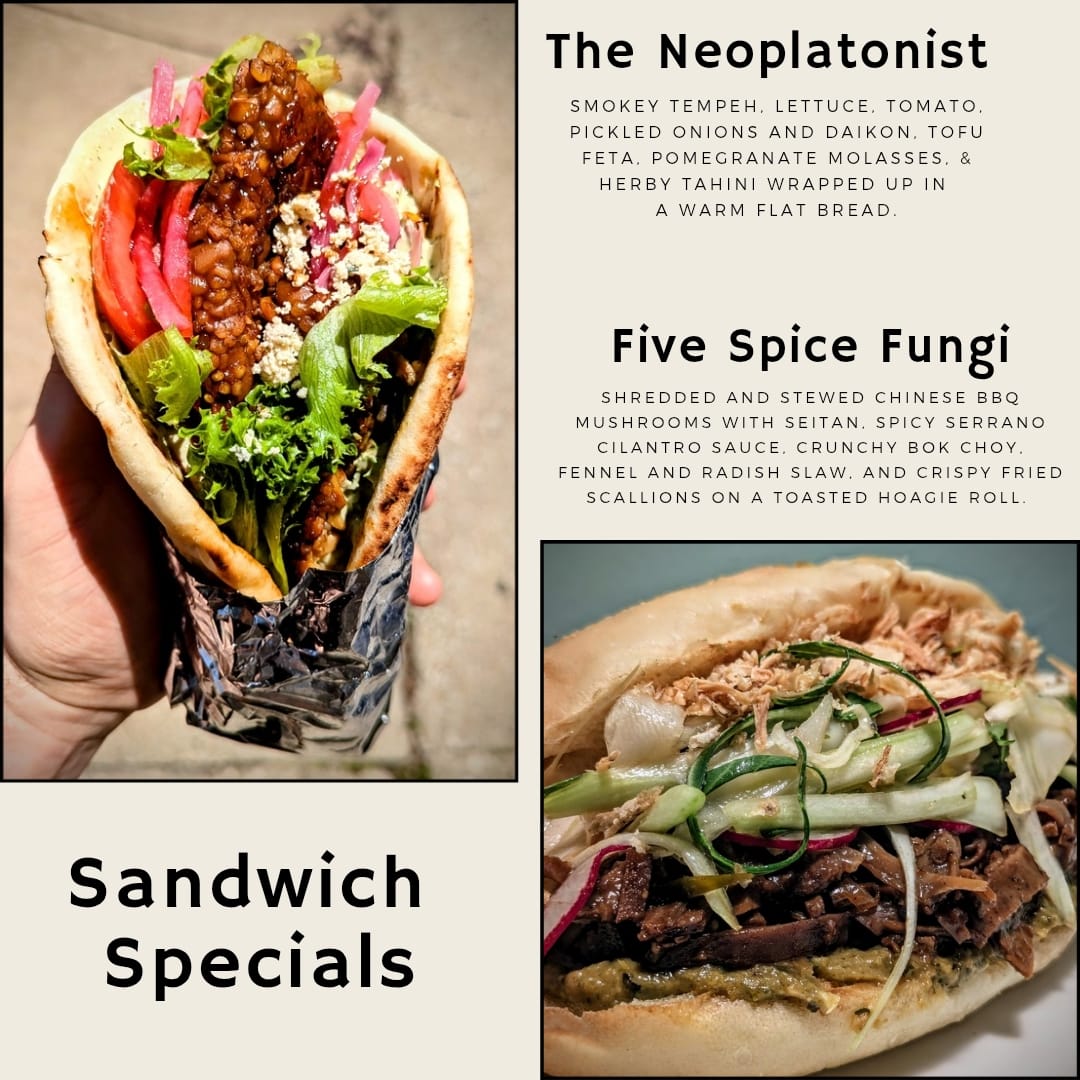
Fast-forward to the following week. Buried under a mountain of tasks, there was no time for tinkering. I ran a simple tempeh wrap. Considerably less prep, no experimentation. And guess what? Huge hit. Was it good? Sure. I like simplicity. But did it scratch the itch in my needy chef brain? Not really.
I originally wrote some of this as a reply to another chef’s post on a similar topic. The tension between art and capital is as old as time. Unfortunately, the pleasures of the former often lose out to the tedium—necessary as it may be—of the latter. But it doesn’t have to be that way.
I ended that reply with this:
“If it’s good and you believe in it, someone else will too. Even if it’s just a few people. That joy is worth it. Give them the sandwich they expect—and then give them your pride and joy.”
We all lose ourselves in the grind, especially when we’re just trying to stay afloat. I feel it more and more these days. Life is harder than it should be, and that sucks. But I still think we need to make moments where we find ourselves again. Again and again.
It might not seem like much, but trust me—it’s worth more than you’ll ever know.
It’s your story. Enjoy telling it.